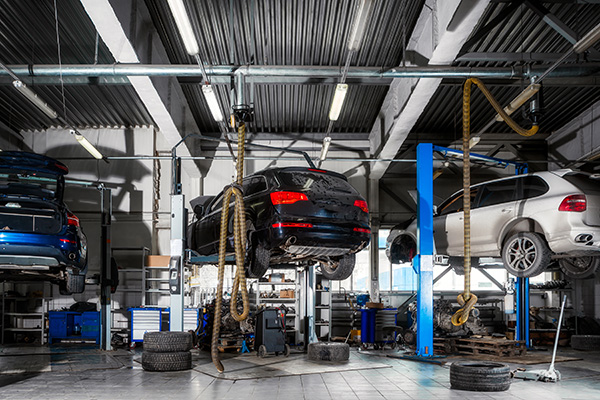
Most drivers only think about a safety inspection when something feels wrong. A brake pedal feels different, a tire looks low, or a warning pops up on the dashboard and ruins your morning.
A full safety inspection is useful even when the car appears to be fine. It’s a way to catch the small stuff early, before it turns into a surprise breakdown or a repair that costs more because it was left too long. Here are six real benefits that show why an inspection is worth doing more than once in a blue moon.
Why Safety Inspections Catch Problems You Don’t Feel Yet
A lot of wear happens gradually. Your driving habits adapt, so you may not notice how far things have shifted until a problem becomes obvious. Tires wear slowly. Brake pads wear quietly. Suspension bushings soften over time. Fluids drop little by little.
A full inspection creates a baseline. It tells you what is normal for your vehicle right now and what is starting to drift. That can help you plan repairs instead of reacting to them.
1. Earlier Brake And Tire Warnings Before They Become Urgent
Brakes and tires are the first two systems that decide whether your vehicle stops and steers the way it should. An inspection checks pad thickness, rotor condition, and signs of brake drag. It also checks tire tread depth, uneven wear patterns, and visible damage.
The benefit is timing. If you catch worn pads early, you can often avoid rotor damage. If you catch uneven tire wear early, you can correct alignment or worn suspension parts before you buy tires too soon. This is one of the most cost-effective reasons to inspect regularly.
2. Catching Steering And Suspension Wear That Affects Control
Suspension and steering parts rarely fail overnight. More often, they loosen little by little. Tie rods, ball joints, and control arm bushings can develop play. Shocks and struts can weaken and reduce control over bumps.
A safety inspection looks for that looseness and that wear before it becomes a driving problem. If your vehicle is wandering on the highway, clunking over bumps, or feeling unstable on rough roads, these components are often involved. A good inspection helps you get ahead of it.
3. Identifying Leaks Before They Turn Into Bigger Damage
Small leaks are easy to ignore, especially if you do not see spots on the driveway. But fluid loss can affect the engine, transmission, cooling system, steering systems, and brakes. A safety inspection checks for visible seepage, low levels, and signs of fluid burning or dripping.
The benefit here is avoiding secondary damage. A minor coolant leak can lead to overheating. A transmission leak can lead to poor shifting. An oil leak can turn into a low-oil situation if it goes unnoticed. There are plenty of drivers coming in thinking they had a major failure, and it started as a small leak that was easy to catch earlier.
4. Finding Battery And Charging Clues Before You Get Stranded
Battery failures often happen at the worst time, like early mornings, cold snaps, or right before a trip. A safety inspection can include basic battery and charging checks, plus inspection of terminals and cable condition.
This is especially helpful if you have noticed slow cranking, dim lights at idle, or random electrical oddities. Catching weak batteries early can save you from disastrous mornings that throw off everything.
5. Detecting Exhaust And Underbody Issues That Affect Safety
Exhaust issues are not always loud at first. Heat shields can loosen and rattle. Exhaust hangers can be worn. Small leaks can develop. Underbody inspections can also spot damage from road debris, curb impacts, or rough roads.
The benefit is both safety and comfort. Exhaust leaks are not something to ignore, and underbody damage can lead to unexpected problems later. It is better to catch a loose shield or hanger early than to wait until a component breaks free and creates more damage.
6. A More Predictable Plan For Repairs And Maintenance
This is the benefit most drivers appreciate after the fact. An inspection helps you separate what needs attention now from what can be scheduled. It reduces the surprise factor, and it helps you make smarter decisions.
A good inspection also gives you context. If your tires show wear patterns, it can point toward alignment or suspension issues. If your brakes are wearing unevenly, it can hint at caliper issues. If your fluids are low, it may indicate leaks. Instead of fixing things one by one in reaction mode, you can plan repairs in a way that makes sense.
At Palo Alto Shell, we’ve seen how a simple inspection can catch small issues early and keep a driver from dealing with a bigger problem later.
Get A Safety Inspection in Palo Alto, CA, with Palo Alto Shell
We can perform a full safety inspection, check tires, brakes, steering, and suspension, fluid condition, battery health, and underbody concerns to catch issues before they become urgent. We’ll explain what we find clearly and help you prioritize the next steps based on safety and practicality.
Call Palo Alto Shell in Palo Alto, CA, to schedule your safety inspection and drive with more confidence.