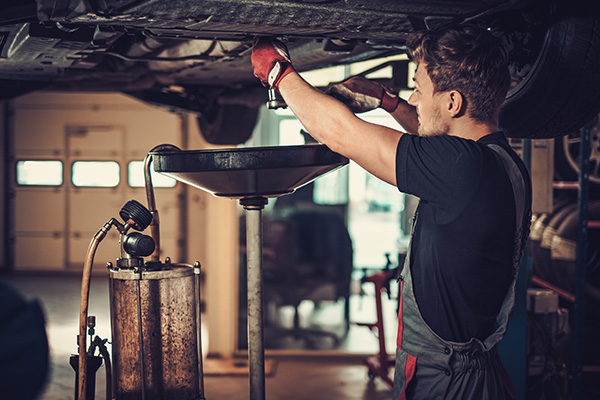
An oil change looks simple from the outside. Old oil comes out, fresh oil goes in, the filter gets replaced, and the reminder sticker moves a few thousand miles down the road.
Inside the engine, though, that service is doing much more.
Engine oil protects parts that move fast, run hot, and depend on a steady film of lubrication every second the vehicle is running. When oil gets old, low, dirty, or contaminated, the engine loses protection in places you cannot see until damage has already started.
Oil Keeps Metal Parts From Grinding Together
Your engine has crankshaft bearings, camshafts, pistons, timing components, valve train parts, and other moving pieces working in tight spaces. Oil creates a thin protective layer between the parts, preventing them from grinding against each other.
Without that layer, friction rises fast. Friction creates heat, wear, noise, and eventually damage. That is why low oil pressure warnings are serious. The engine may still run, but it may not be protected the way it needs to be.
Fresh oil helps maintain that protective film, especially during startup, when many parts are waiting for oil flow to reach them again.
Oil Helps Control Heat
Coolant handles much of the engine’s heat, but oil helps too. It carries heat away from internal parts that the coolant does not touch directly. Bearings, pistons, camshafts, and turbochargers on equipped engines all rely on oil to help manage temperature.
As oil ages, it can lose some of its ability to handle heat well. Dirty oil can also leave deposits, especially in small passages where clean flow is critical. In stop-and-go driving, short trips, or hot weather, oil works harder than many drivers realize.
That is why the right oil change interval depends on how the vehicle is used, not only the number on the reminder sticker.
The Filter Removes Debris
The oil filter catches particles that should not keep circulating through the engine. Tiny metal particles, carbon, dirt, and other contaminants can build up as oil does its job. The filter helps trap that material before it travels through sensitive engine areas.
A clogged, cheap, incorrect, or overdue filter can reduce the value of the entire service. Fresh oil passing through a poor filter is not giving the engine the best protection.
A proper oil change includes the right oil and the right filter. Those two parts work together. Skipping quality on either one can create problems later.
Old Oil Can Leave Deposits Behind
Oil does not stay fresh forever. Heat, moisture, fuel residue, and combustion byproducts all change it over time. When oil breaks down, it can form sludge, varnish, and deposits inside the engine.
Those deposits can interfere with oil flow and affect oil-controlled parts. Modern engines often use oil pressure to help control variable valve timing and other systems. Dirty oil can make those parts respond more slowly or more likely to trigger warning lights.
Regular maintenance helps reduce that buildup. It does not erase years of neglected service overnight, but it helps keep the engine cleaner over time.
Oil Changes Help Spot Other Problems Early
A good oil change is also an inspection opportunity. While the vehicle is being serviced, a technician can look for oil leaks, coolant leaks, worn belts, cracked hoses, low fluids, damaged shields, tire wear, and other signs of trouble.
Small oil leaks are a good example. Oil may collect on a splash shield or burn off on a hot surface before it ever reaches the driveway. During service, one of our technicians can often see fresh seepage before the driver notices a spot at home.
That quick look around the vehicle can catch problems while they are still easier to handle.
The Right Oil Specification Is Important
Modern engines can be picky about oil. The viscosity, such as 0W-20 or 5W-30, is only part of the requirement. Many vehicles also need oil that meets a specific manufacturer's standard.
Using the wrong oil may not cause an instant problem, which is what makes the mistake easy to miss. Over time, it can affect cold starts, oil pressure, timing components, turbo protection, fuel economy, and internal wear.
If you are not sure what your vehicle needs, do not rely only on the number printed on the oil cap. The full specification matters, especially on newer engines.
Do Not Wait For The Oil Light
The oil pressure light is not an oil change reminder. If that warning comes on while driving, the engine may not have enough pressure to protect itself. Pull over safely and shut the engine off.
A maintenance reminder gives you time to plan. An oil pressure warning is much more urgent. Low oil level, a failing pump, a clogged pickup, internal wear, or a sensor issue can all be involved.
Checking the oil level between services is a smart habit, especially on older engines or vehicles that have shown oil leaks or oil consumption.
Get an Engine Oil Change In Palo Alto, CA, With Palo Alto Shell
If your vehicle is due for an oil change, using oil between services, or showing signs of leaks, Palo Alto Shell in Palo Alto, CA, can service it with the correct oil and filter while checking for early engine concerns.
Schedule a visit and keep your engine protected with clean oil, the right filter, and a thorough inspection of the parts that keep your car reliable.