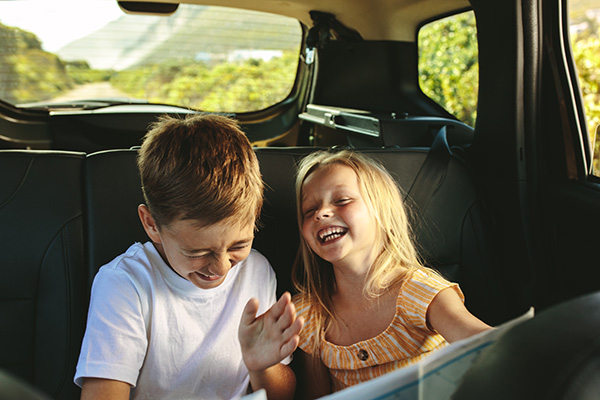
A family road trip starts before anyone asks how much farther there is to go. The car needs to handle the distance, the passengers need a comfortable plan, and the driver needs room to deal with a change in weather or traffic.
Preparation reduces the chance of an interruption. It also makes an unexpected stop easier to manage when children are riding along.
At Palo Alto Shell, we can review the vehicle before departure and help organize overdue service. Give the inspection enough lead time for repairs and a check of the completed work, rather than squeezing it into the morning you leave.
Start Road-Trip Maintenance With the Service History
Review the upcoming mileage and the work already due. Oil service, brake fluid, coolant, belts, and other maintenance follow the requirements for the exact vehicle. The trip's distance helps place those intervals. If a service will come due halfway through a long journey, discuss completing it before departure. A new oil change still doesn't replace a check of tires, brakes, or an existing leak.
Bring invoices and explain warning messages or recent changes in the car. A hesitation during acceleration or coolant level that keeps dropping needs inspection before it becomes a problem far from home.
Check Tires and Brakes Before Loading the Car
The tire set needs good tread, proper inflation, and no structural damage. Measure across the whole tire, including the inner edges that are hard to see beside a parked vehicle.
Use the vehicle's cold-pressure instructions and review any guidance for the expected load. Luggage and passengers add weight, while the tire's maximum sidewall pressure isn't a general target for everyday driving.
Also review brake pad wear, rotor condition, and pedal behavior. A vibration, pull, or grinding sound calls for checking the assembly before the trip. If braking has weakened or the pedal feels abnormal, discuss transport instead of driving in for a routine travel check.
Cooling and Air Conditioning for a Family Trip
Engine cooling and cabin comfort are separate systems that both influence the journey. A coolant leak threatens the engine; weak air conditioning makes a hot car harder for everyone riding in it. Have recurring coolant loss checked before departure. Follow the vehicle's level-check procedure and leave hot caps closed. If the car overheats on the road, stop safely and shut down; don't try to drive a few more miles to reach the planned break. Check vent airflow and cooling performance as well. A restricted cabin filter, cooling fault, or weak airflow should be investigated while there is time to repair it.
Never leave children unattended in the car, even for a quick errand during a stop. Cabin temperature rises quickly, and a cracked window doesn't make a parked vehicle a safe place to wait.
Child Restraints and Passenger Organization
Use the restraint that fits each child's size and the seat manufacturer's instructions. Installation needs to follow both the restraint and vehicle manuals, including the correct anchor or belt method.
Check the arrangement before loading everything around it. If you removed a seat for cleaning or moved it to another car, review its installation again. If you're unsure, seek help from a trained child passenger safety technician.
Keep luggage secured and keep heavy items out of passenger spaces. A sudden stop sends unsecured objects forward. Items needed during travel should be organized so a passenger can reach them without asking the driver to search.
If a child needs help, use a safe stop. Turning around to adjust straps, retrieve a toy, or hand back food takes the driver away from traffic.
Family Road-Trip Checks Before Departure
Review these items while parked:
- Vehicle service due during the planned distance
- Tire condition, cold pressure, and flat-tire equipment
- Child restraint installation and luggage security
- Working climate controls, lights, and wipers
- Roadside assistance contacts and planned stopping places
Keep the checklist practical. The aim is to solve problems before the vehicle is moving, while tools, records, and help are easier to access.
Plan Road-Trip Breaks Around Your Family
Choose places with parking separated from moving traffic. A regular break gives everyone time to use facilities, stretch, eat, and reset before the next stretch.
Allow travel time for those stops. Trying to meet a tight arrival target encourages rushing and leaves the driver trying to meet passenger needs while steering. A longer schedule with planned breaks is easier to adjust when a child needs an extra pause.
Prepare directions before departure and have a passenger handle changes when possible. If you're driving alone with children, pull into a safe parking area before changing the route or helping in the back seat.
Around Palo Alto, even the first part of a trip sometimes includes slow traffic. Treat that time as driving, with the same need to watch the road and leave space.
Prepare for a Breakdown With Children
Know where the roadside assistance number and vehicle information are stored. A charged phone and access to water, weather clothing, and necessary personal supplies make a delay easier to manage.
If the car develops a problem, choose the safest available place to stop and don't continue through a major warning. Whether to remain inside or exit depends on traffic exposure, fire risk, and the ability to reach a separated location safely.
Keep children away from moving traffic. Follow emergency personnel's directions and avoid roadside repairs that put the family beside fast-moving traffic.
A flat tire also needs a plan suited to the vehicle. Review the spare or repair kit instructions ahead of time, including any all-wheel-drive restrictions.
Check the Car Again Before the Return Drive
A trip uses the car differently from the daily commute. Before returning, look for visible tire damage, warning messages, or new leakage, and check fluid levels using the manual's procedures.
Report a new vibration, overheating event, or brake change promptly. Don't postpone a developing fault simply because the trip is almost finished.Foil
Keep any repairs and service details with the vehicle records. They help future maintenance start from what was actually completed.
Pre-Trip Vehicle Inspection at Palo Alto Shell
Palo Alto Shell in Palo Alto, CA, can review your car before a family road trip and inspect tires, brakes, fluid concerns, and overdue maintenance. Tell us the planned distance and any symptoms so we can schedule the visit before you leave.
Schedule a pre-trip inspection with Palo Alto Shell and allow time for needed repairs to be completed before your family sets out.