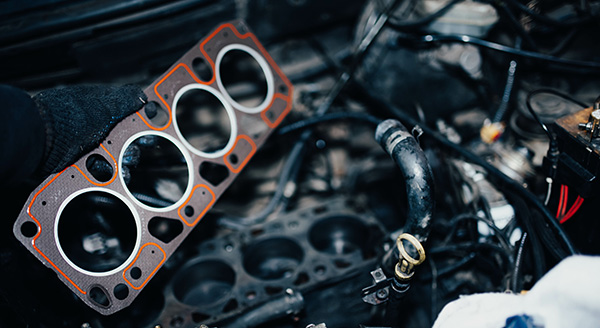
Head gasket problems rarely show up all at once. Most of the time, the early signs are subtle and easy to overlook. A slight temperature increase, a bit of white smoke, or coolant that seems to disappear can all seem minor at first.
The head gasket sits between the engine block and cylinder head, sealing critical areas. When it begins to fail, it can affect multiple systems at once. That is why catching the signs early makes such a difference.
Engine Overheating That Keeps Coming Back
One of the most common signs is repeated overheating. You may notice the temperature gauge climbing higher than normal, even after topping off coolant or checking for leaks.
A failing head gasket can allow combustion gases to enter the cooling system. That disrupts normal coolant flow, causing excess heat and ongoing temperature problems.
White Smoke From the Exhaust
White smoke coming from the exhaust is another strong indicator. This usually means coolant is entering the combustion chamber and being burned along with fuel.
The smoke may be more noticeable at startup or during acceleration. A small amount may not seem alarming, but persistent white smoke indicates an internal issue that needs attention.
Coolant Loss With No Visible Leak
If your coolant level keeps dropping but you cannot find a leak, the head gasket could be the cause. Coolant may be leaking internally instead of dripping onto the ground.
This type of loss is easy to miss at first. Over time, though, it becomes more noticeable as you find yourself adding coolant more frequently.
Milky or Contaminated Engine Oil
A blown head gasket can allow coolant and engine oil to mix. When this happens, the oil may appear milky or lighter in color than usual.
This contamination reduces the oil’s ability to properly lubricate engine components. That can lead to increased wear if the issue is not addressed quickly.
Rough Engine Performance or Misfires
When the head gasket fails, compression between cylinders can be affected. This can lead to rough running, hesitation, or misfires.
The engine may feel unstable, especially at idle or under load. These performance changes often appear alongside other symptoms rather than on their own.
Bubbles in the Radiator or Coolant Reservoir
Air or gas bubbles in the coolant system can indicate that combustion gases are entering through a damaged gasket. You might notice bubbling in the radiator or overflow tank when the engine is running.
This is a sign that pressure is not staying where it should. It affects how coolant circulates, contributing to overheating.
Why a Blown Head Gasket Is a Serious Issue
The head gasket plays a critical role in separating oil, coolant, and combustion pressure. When it fails, those systems can interfere with each other.
That can lead to overheating, loss of lubrication, and internal engine damage. The longer it goes unaddressed, the more extensive the repair can become.
How Regular Maintenance Helps Reduce Risk
Regular maintenance helps reduce the risk of head gasket failure. Monitoring coolant levels, maintaining proper engine temperature, and addressing overheating early all play a role.
An inspection during routine service can also catch early warning signs before they develop into more serious issues.
When to Schedule an Inspection
If you notice any combination of overheating, white smoke, coolant loss, or changes in engine performance, it is time to have the vehicle checked.
Even mild symptoms can point to a developing problem. An early inspection helps confirm the cause and prevent further damage.
Get an Engine Inspection In Palo Alto, CA, With Palo Alto Shell
If your vehicle is showing signs of a possible head gasket issue, Palo Alto Shell in Palo Alto, CA, can inspect your engine and help determine the best course of action.
Call today to schedule your appointment and address the issue before it leads to more serious engine damage.